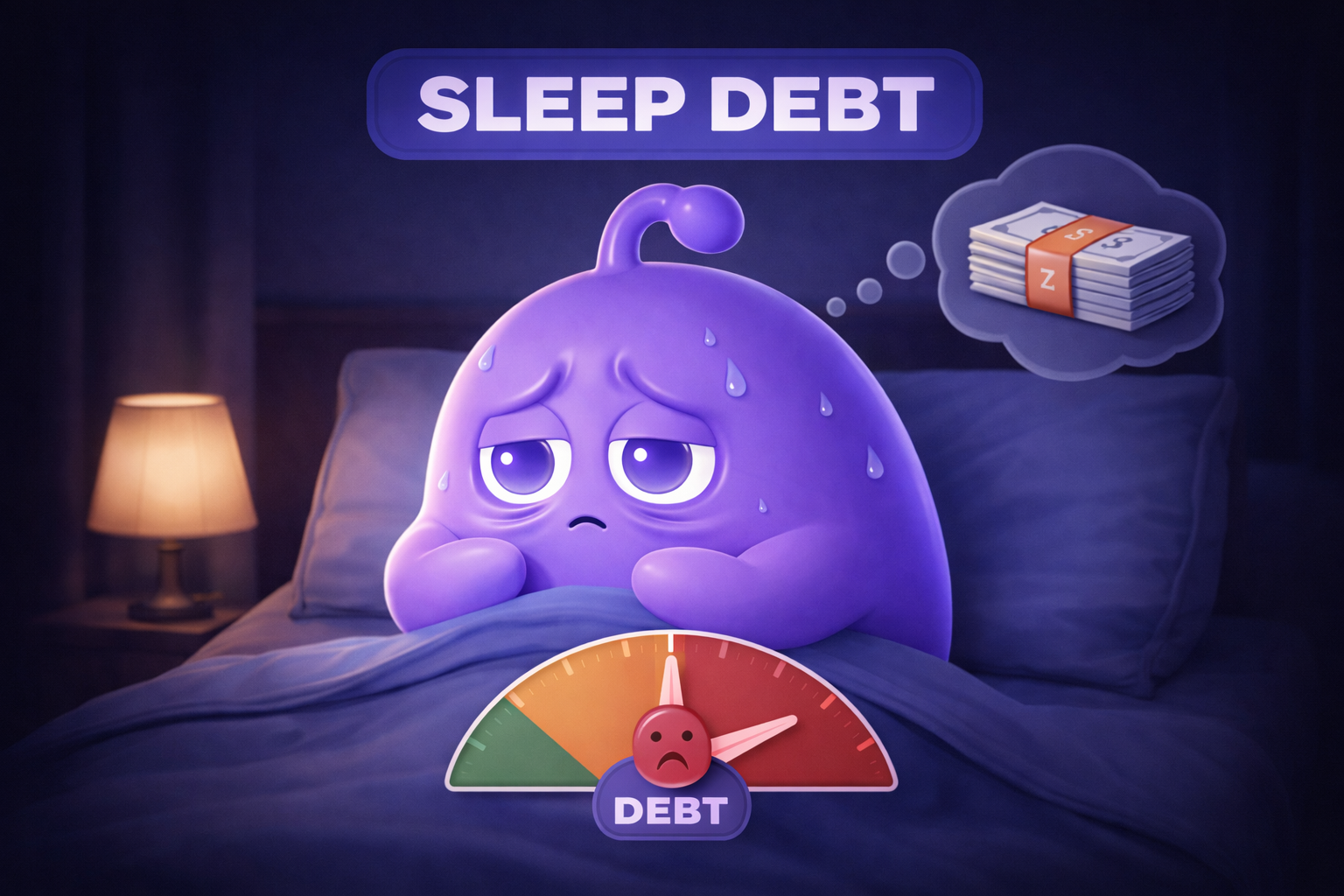
Why Obsessing Over Your Sleep Score Might Be Making Your Sleep Worse
You check your wrist first thing in the morning. The number stares back. 72. A wave of frustration. You felt fine until you saw the score. Now the day starts with disappointment. Sound familiar?
TL;DR
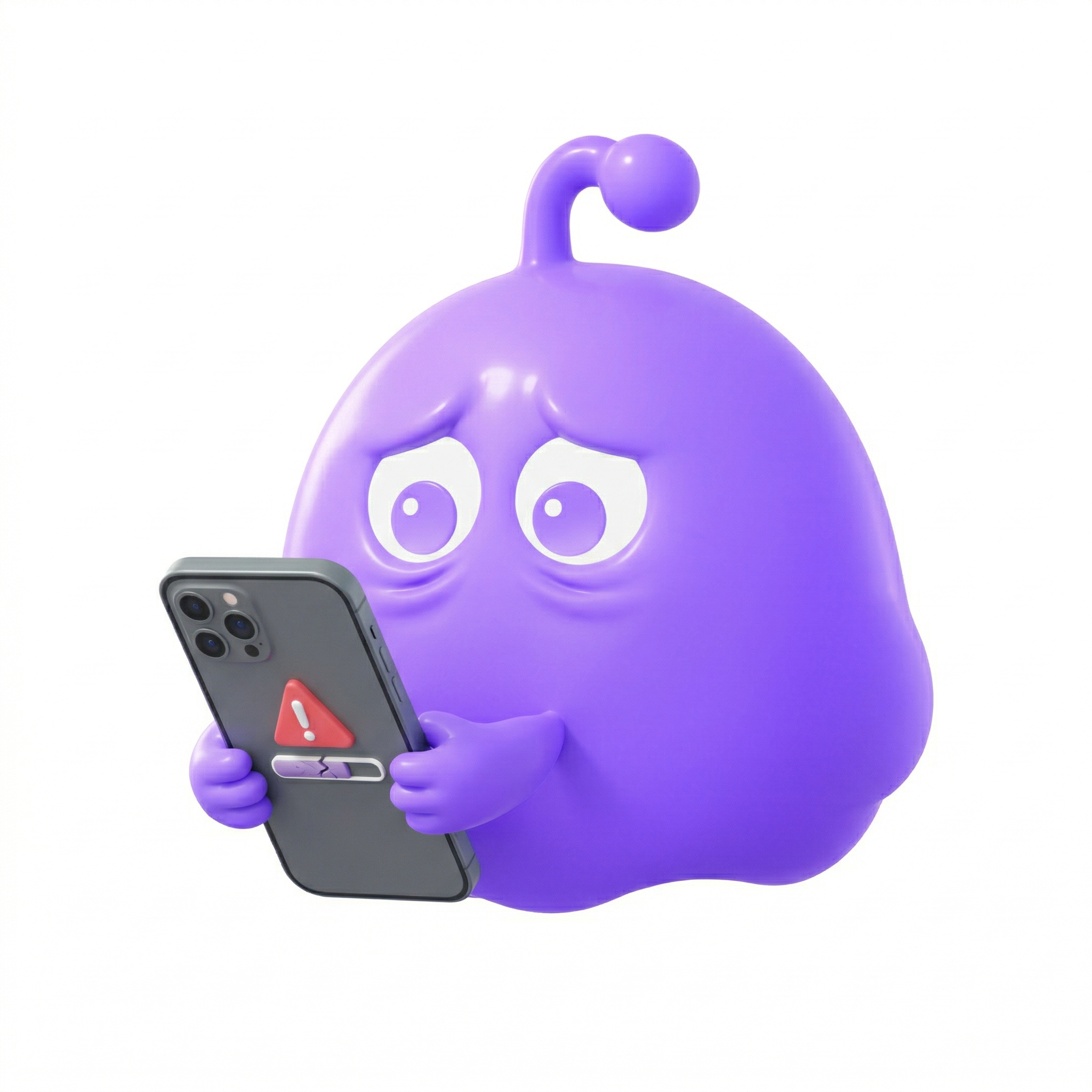
Orthosomnia — the anxiety caused by obsessing over sleep tracker scores — affects up to 30% of regular users. Research suggests reducing monitoring and focusing on actionable changes rather than numbers. piliq's narrative mode replaces scores with reassuring, context-aware messages.
The Rise of Orthosomnia
In 2017, researchers at Rush University Medical Center coined the term Orthosomnia — a preoccupation with achieving perfect sleep data that actually disrupts sleep. The study found patients who were so fixated on their tracker data that it triggered anxiety at bedtime, creating a self-defeating cycle.
Since then, the proliferation of consumer sleep trackers — from Apple Watch to Oura Ring to Whoop — has only amplified the problem. A 2023 meta-analysis in the Journal of Clinical Sleep Medicine estimated that up to 30% of regular sleep tracker users exhibit some degree of sleep-related anxiety tied to their device data. If this anxiety repeats every night, learn how to break the cycle of sleep anxiety.
Why Scores Alone Are Not Enough
Most sleep apps follow a simple formula: track your sleep, generate a score, show a chart. The implicit message is "here's your number — figure out the rest." But a score without context is noise. Knowing you scored 72 doesn't tell you why, and it definitely doesn't tell you what to do differently today.
This is the fundamental gap in most sleep technology. Measurement without actionable guidance leaves users feeling informed but helpless — a recipe for anxiety, not improvement. What makes it worse is that the measurements themselves are far from perfect — understanding how accurate sleep trackers really are can help you let go of score obsession.
Signs You Might Have Orthosomnia
If three or more of the following sound familiar, it may be time to rethink your relationship with your sleep tracker.
- You check your sleep score first thing every morning
- A low score makes you feel your day is already ruined
- You compulsively adjust your bedtime or habits to chase a higher score
- You felt rested — until you saw the number
- Worrying about your sleep data has made it harder to fall asleep
The Paradox of Perfect Sleep Data
Understanding the accuracy limitations of sleep trackers is crucial. Consumer wearables classify sleep stages with roughly 60–80% accuracy depending on the study. That means your '45 minutes of deep sleep' could be off by ±15 minutes. Reacting emotionally to an uncertain number is irrational — yet that is exactly what orthosomnia drives you to do.
Here is the key insight: sleep tracker data is valuable for spotting trends over weeks, not for obsessing over a single night's number. Whether your score was 72 or 85, the subjective question — 'Did I wake up feeling refreshed?' — is often a more accurate indicator of sleep quality than any wearable metric.
"Sleep score: 78. Now what?"
The question that inspired piliq.
What the Research Suggests
Cognitive Behavioral Therapy for Insomnia (CBT-I) — the gold standard treatment for chronic insomnia — actually recommends reducing monitoring behaviors. Constantly checking the clock, reviewing data, and analyzing sleep stages can reinforce hyperarousal, the exact state that prevents sleep onset.
This doesn't mean tracking is bad. It means tracking needs to be paired with the right framing. Data should inform action, not provoke worry.
A Different Approach: Coaching Over Scoring
What if your sleep app didn't just hand you a number, but told you what to change? "You had caffeine after 2 PM yesterday. Your sleep latency increased by 12 minutes." That's not a score — it's a conversation.
This is the philosophy behind piliq. Instead of amplifying score anxiety, piliq offers a narrative mode that replaces numbers with reassuring, context-aware messages. "You got plenty of deep sleep last night" feels very different from "68."
What You Can Do Today
- Stop checking your score first thing. Give yourself 30 minutes before looking at any sleep data. Notice how you actually feel.
- Focus on one variable at a time. Instead of chasing a perfect score, pick one thing to change this week — caffeine cutoff time, screen dimming, or bedtime consistency.
- Use narrative over numbers. If your app supports it, switch to a mode that describes your sleep in words, not digits. Your brain responds better to stories than statistics.
- Trust how you feel. Subjective sleep quality is a clinically validated measure. If you feel rested, you probably are.
References
- Baron KG, Abbott S, Jao N, Manalo N, Mullen R. Orthosomnia: Are Some Patients Taking the Quantified Self Too Far? Journal of Clinical Sleep Medicine. 2017;13(2):351-354. doi:10.5664/jcsm.6472
- Gavriloff D, Sheaves B, Juss A, Espie CA, Miller CB, Kyle SD. Sham sleep feedback delivered via actigraphy biases daytime symptom reports in people with insomnia. Journal of Sleep Research. 2018;27(4):e12726.
- Liang Z, Chapa-Martell MA. Accuracy of Fitbit Wristbands in Measuring Sleep Stage Transitions and the Effect of User-Specific Factors. JMIR mHealth and uHealth. 2019;7(6):e13384.
Written by
piliq Sleep Science TeamEvidence-based content grounded in sleep research and clinical data.
piliq suggests what to actually change — not just a score.